
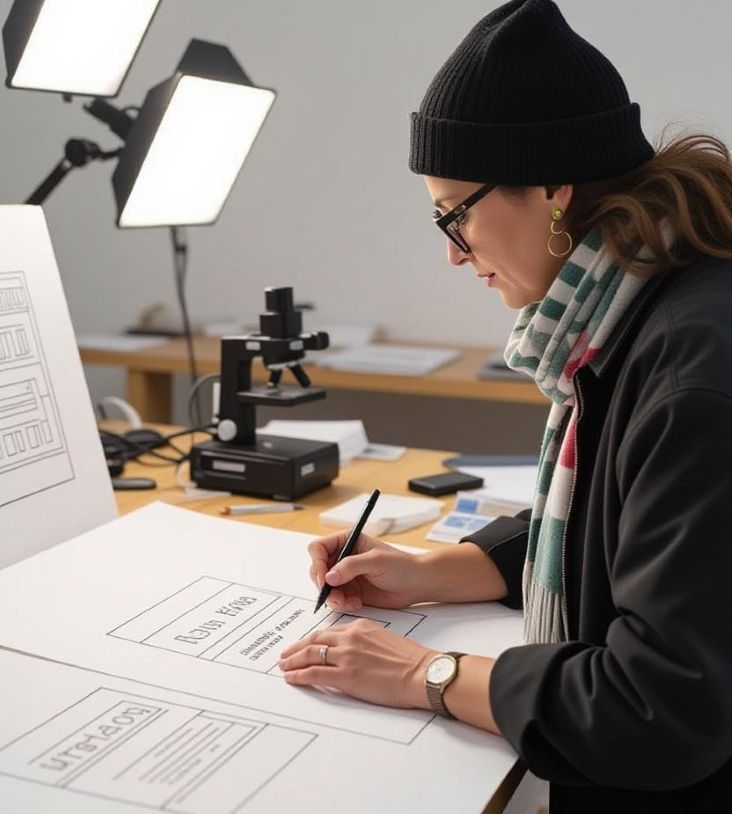
Small details in film sets often go unnoticed by the audience but play a crucial role in storytelling. Realistic props, such as house nameplates, mailboxes, doorbells, and other minor elements, help create a sense of authenticity and immerse viewers in the story. These small touches add depth and make the fictional world feel tangible, allowing the audience to connect more deeply with the characters and narrative.
One popular way filmmakers achieve this is by using a realistic house sign, known in English as a nameplate with name or in Dutch as naambordje met naam laten maken. These custom signs give a sense of place, reflect local culture, and make the environment feel lived-in. A carefully chosen nameplate can indicate the personality, taste, and lifestyle of the character living there. For example, a modern minimalist sign might suggest a contemporary, urban character, while a hand-painted enamel plate might indicate tradition and heritage.
Why Props Matter
Props like mailboxes, doorbells, and house nameplates do more than decorate a set. They communicate subtle information about the setting, era, and social background of the characters. A well-designed prop can convey details about a neighborhood, regional identity, or historical period without requiring dialogue. Even minor inconsistencies can distract the audience and reduce the believability of the scene, which is why attention to these details is critical in professional set design.
Crafting Realistic House Props
Set designers carefully select typography, materials, and styles that align with the story and location. For example, a classic European street may require enamel or ceramic nameplates, while a contemporary urban home might feature laser-cut metal or acrylic signs. Using a nameplate ensures that each detail complements the overall aesthetic of the set. Designers often research local styles, cultural preferences, and even municipal regulations to make the props as realistic as possible. Similarly, contractors play a crucial role in ensuring that office reinstatement projects are executed with precision and attention to detail, as explored in Lights, Camera, Office Action: The Role of Contractors in Office Reinstatement.
Beyond appearance, designers also consider wear and tear, lighting, and placement. A newly installed sign might look out of place if the surrounding environment is weathered or aged. By aging props, adding realistic textures, and placing them naturally, set designers enhance the immersive quality of the scene. These small details influence how the audience perceives the world of the film, often on a subconscious level.
Cultural Nuances in Set Design
Certain film industries, particularly European cinema, place a strong emphasis on subtle realism. Props are carefully chosen to reflect local traditions, architecture, and regional culture. For example, in the Netherlands, house signs often follow long-standing stylistic traditions that vary from region to region. By incorporating these details, filmmakers create a more authentic sense of place. Attention to cultural nuance allows viewers to instantly recognize and relate to the setting, even if they are not consciously aware of it.
Connecting with the Audience
Realistic props create a subconscious connection with viewers. They enhance immersion, making the story and characters more believable. A well-chosen nameplate or mailbox might not draw attention individually, but together with other elements, it creates a coherent and convincing environment. This attention to detail helps maintain the suspension of disbelief and strengthens the audience’s emotional engagement with the narrative.
Furthermore, minor props can become memorable elements in their own right. Fans and critics often notice the care put into small details, which can enhance a film’s reputation for authenticity. From personalized house signs to everyday objects carefully matched to the period or location, these elements elevate the quality of the production and demonstrate the craft behind professional set design.
Conclusion
House nameplates and minor props are essential tools for set designers, helping to tell stories, define characters, and create believable environments. A well-crafted nameplate adds depth, authenticity, and a subtle layer of storytelling to every scene. Attention to these small yet impactful details reflects the craftsmanship that distinguishes great film production from ordinary set design, ensuring audiences remain fully engaged and immersed in the cinematic world.